Coworking – Kyoto Japan
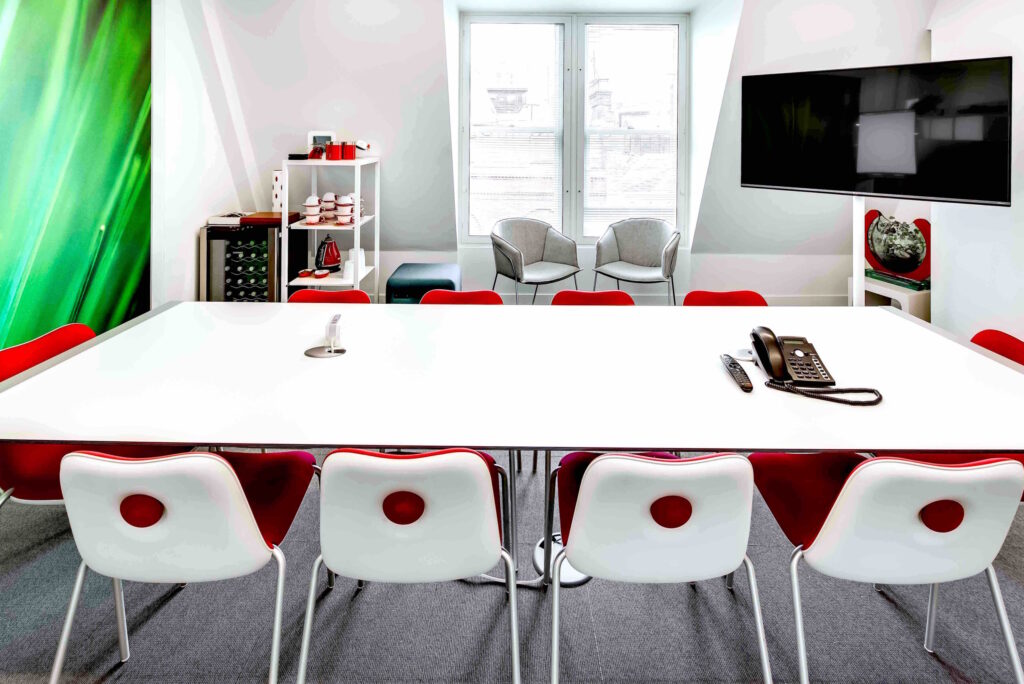
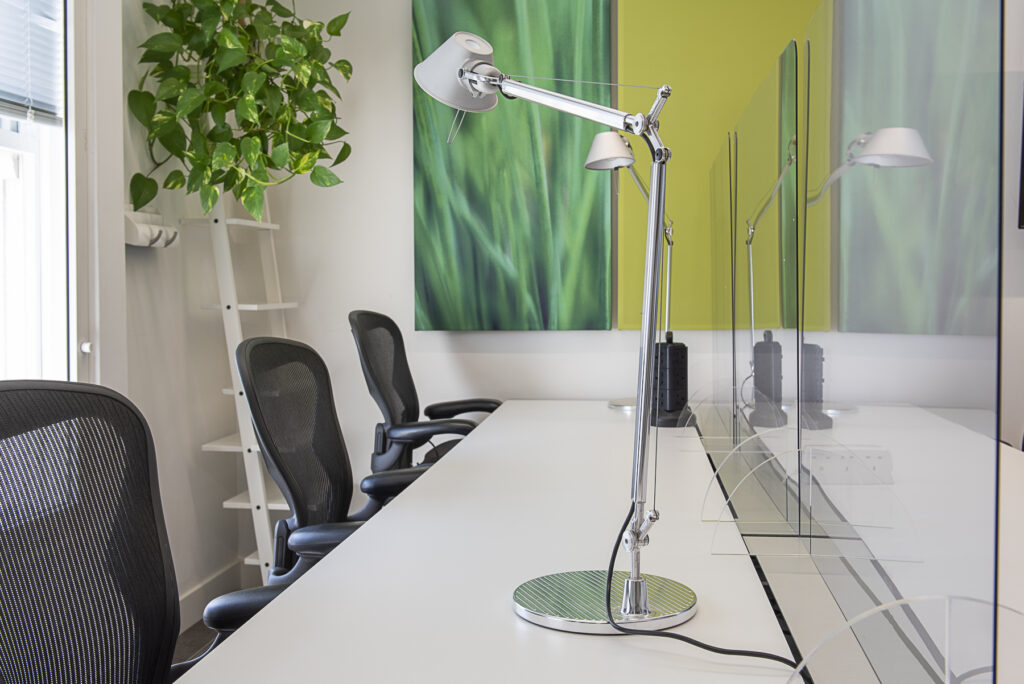
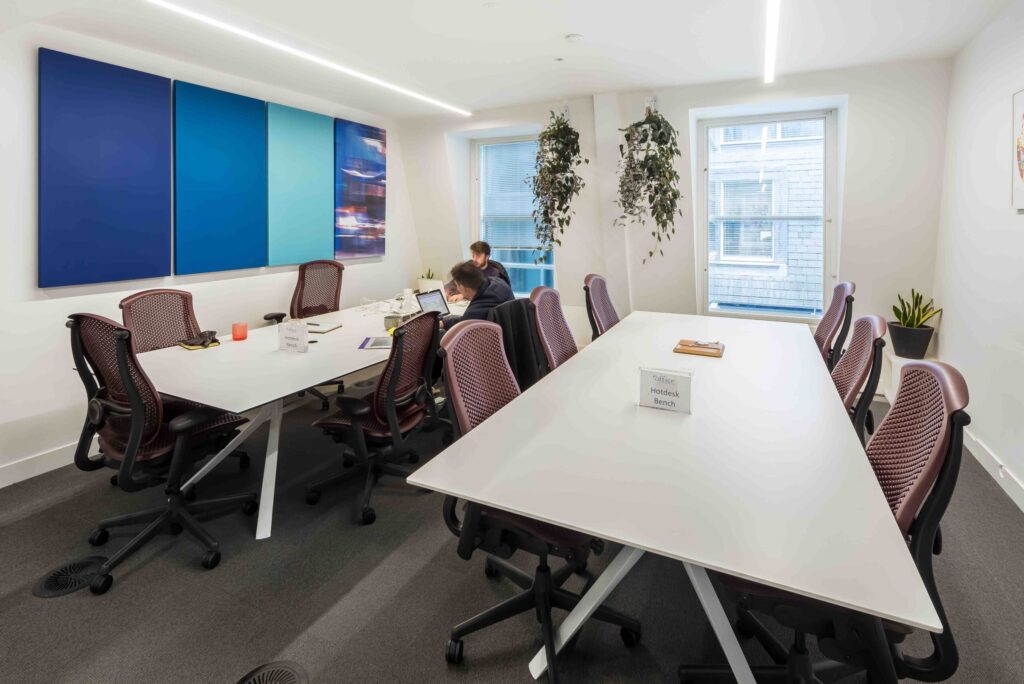
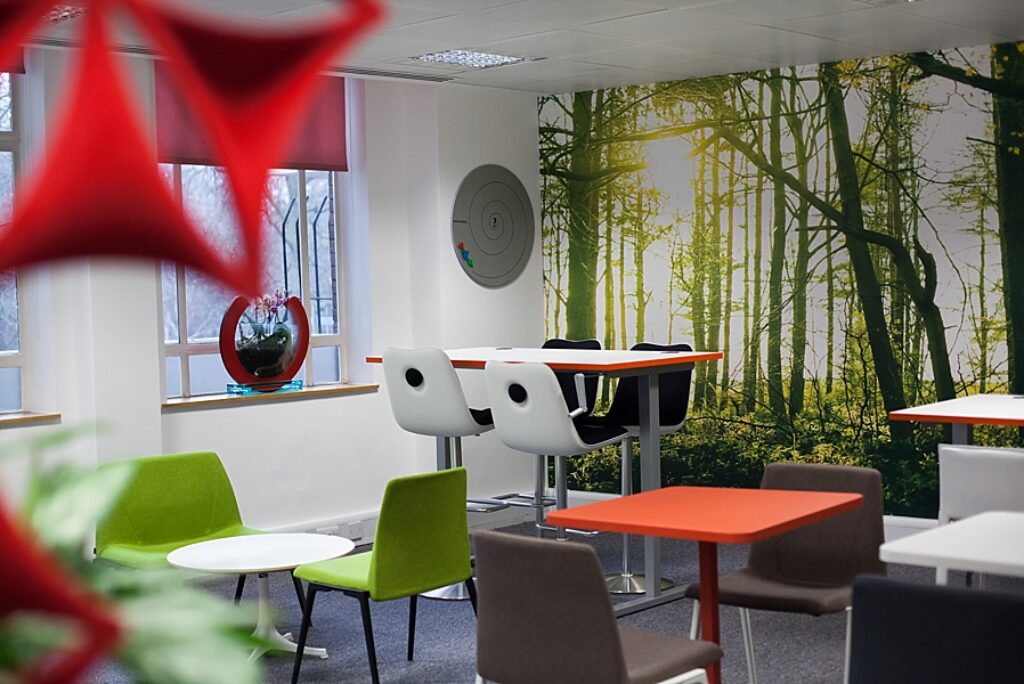
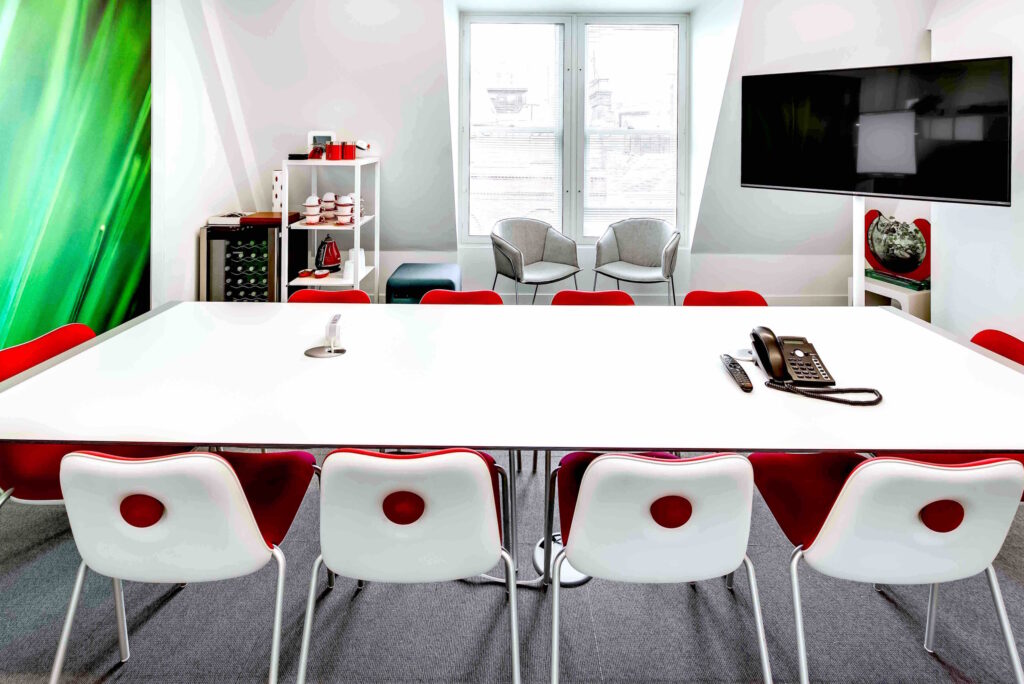
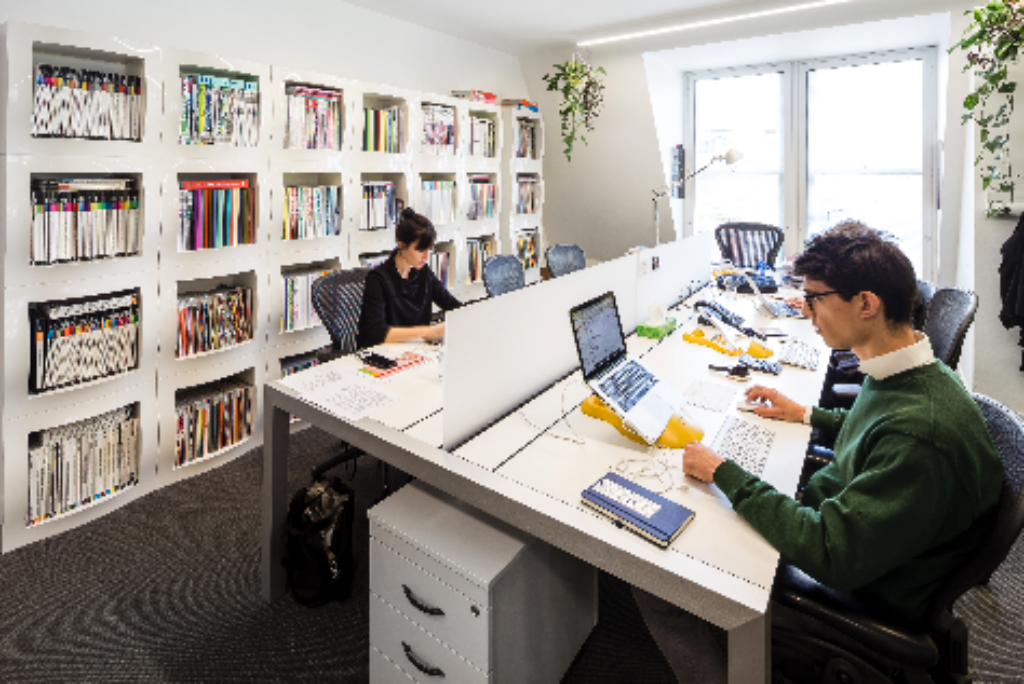
This coworking space is based in Kyoto, Japan. The coworking office has a typically modern Japanse design – sleek lines, muted colours and minimalism rule the day. However, the office is infused with elements of excitement throughout. Key pieces such as the design feature in the waiting rooms or the greenery in the board room really add some freshness and quirkiness to this office. All-in-all this is one well designed coworking space in Kyoto, Japan.
[via]
Japanese Coworking Space
This is the coworking space of the Kyoto Research Park Machiya Studio. Machiya is the Japanese word meaning townhouse; the space opened in 1999 and is located in the Nishijin District of Kyoto. The office is quite unusual as the architecture is very traditional, the marriage between modern concept (i.e. coworking) and traditional Japanese architecture is a very interesting one!
Traditional Japanese Office
The TBWA/ Hakuhodo in Tokyo reflects the traditional-yet-sophisticated touch of Japanese wooden art. This workspace came into existence through a three-way collaboration of TBWA with Hakuhodo, a Japanese ad major, and Klein Dytham, an architecture company. The workspace has won awards for its design, which is inspired from an old bowling alley. There is a lawn with lush green grass and an adjacent open space with offices, project spaces, and meeting rooms.
[via]
Tokyo Office – Minimalist Design
The so called ‘mr_design office’ was created by the Japanese architectural studio schemata. At just 190 meters squared the office is small, but what would you expect for a 5 person office, in Tokyo no less! The intention was to keep the office open, uncluttered and non-isolationist, while at the same time allowing it to be warm and private. With this aim in mind the Tokyo office incorporates noninvasive and playful designs. Because of the constraints, mirrors were used to give the impression of space, a feature that is in keeping with the minimalist style desired.
[via designboom]
Japan Office Space
This Japan office space is one to remember! The bank was created by the architectural firm emmanuelle moureaux architecture + design, developing the office space in the Japanese city of Shimura. This Sugamo Shinkin bank’s Japan office space was designed to look like a layer of rainbows. The rainbows are formed by stacking various coloured slabs together, contrasted against a bright white background the colours seem to pop out of the building creating a wonderful explosion of colour. The building really comes into its own at night, when the layers are gently illuminated.
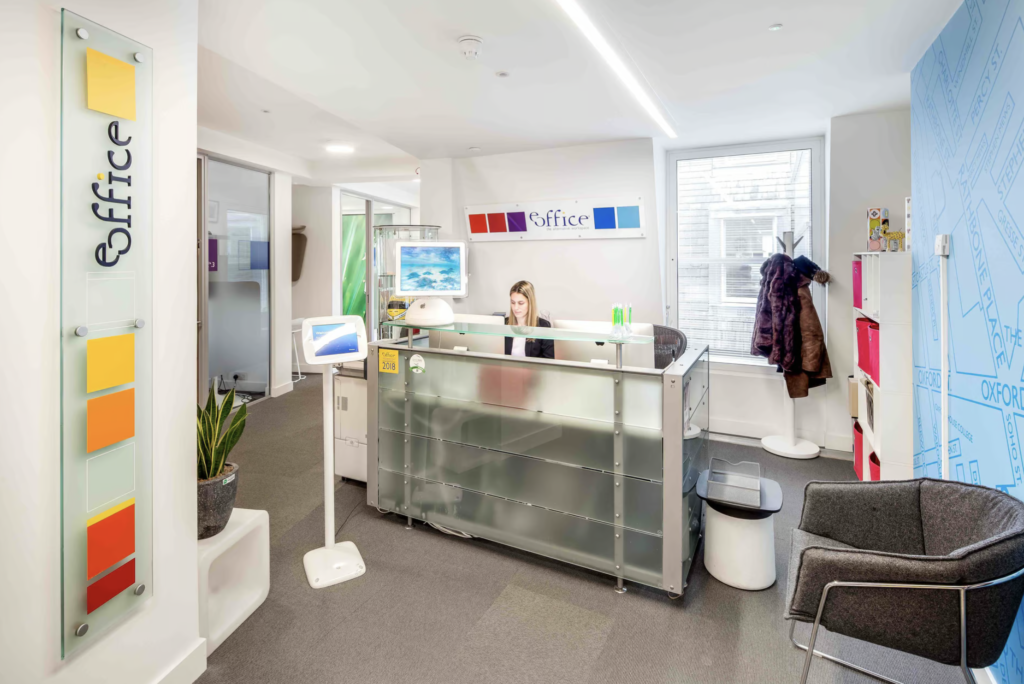
Here at eOffice we have partner locations all over the world, including Japan. If you are looking for stylish and affordable office spaces in Japan you can find out more here. We have locations is several cities across the country.
[Via Design Boom]
Japanese Architecture – A Fabricated Dream
With all the misfortune surrounding Japan in recent times, I thought it nice to focus on the vibrancy of Japanese architecture so that we may once again see what this amazing country is capable of. This wonderful space was created by the Japanese designer Yukio Kimura and is a mixture of art gallery, used bookshop and even includes a café bar – the perfect trifecta some would say!
This great piece of Japanese architecture is located in the suburbs of Osaka. It was designed by Kimura to stand out, purposely making the building conspicuous as the client wanted the store to reflect the meaning behind the store’s name. The name, Sorayumebako, roughly translates to Dreambox.
Yukio is quoted as saying: “Sorayume” is a Japanese word meaning “a fabricated dream”, that is, a dream for telling people as if you actually dreamed it. Having this concept in mind, I designed space where visitors can feel as if they stepped into another world, like a dream”.
[Pictures via WeHeart]
Base Valley House, Japan, by Hiroshi Sambuichi
This beautiful family home, designed by Hiroshi Sambuichi, takes a leap to set a balance between nature and building. To accomplish this, Sambushi chose high-quality natural materials including Japanese cypress, chestnut wood, and crushed stone. He created a design that allows the flow of air to move throughout.